
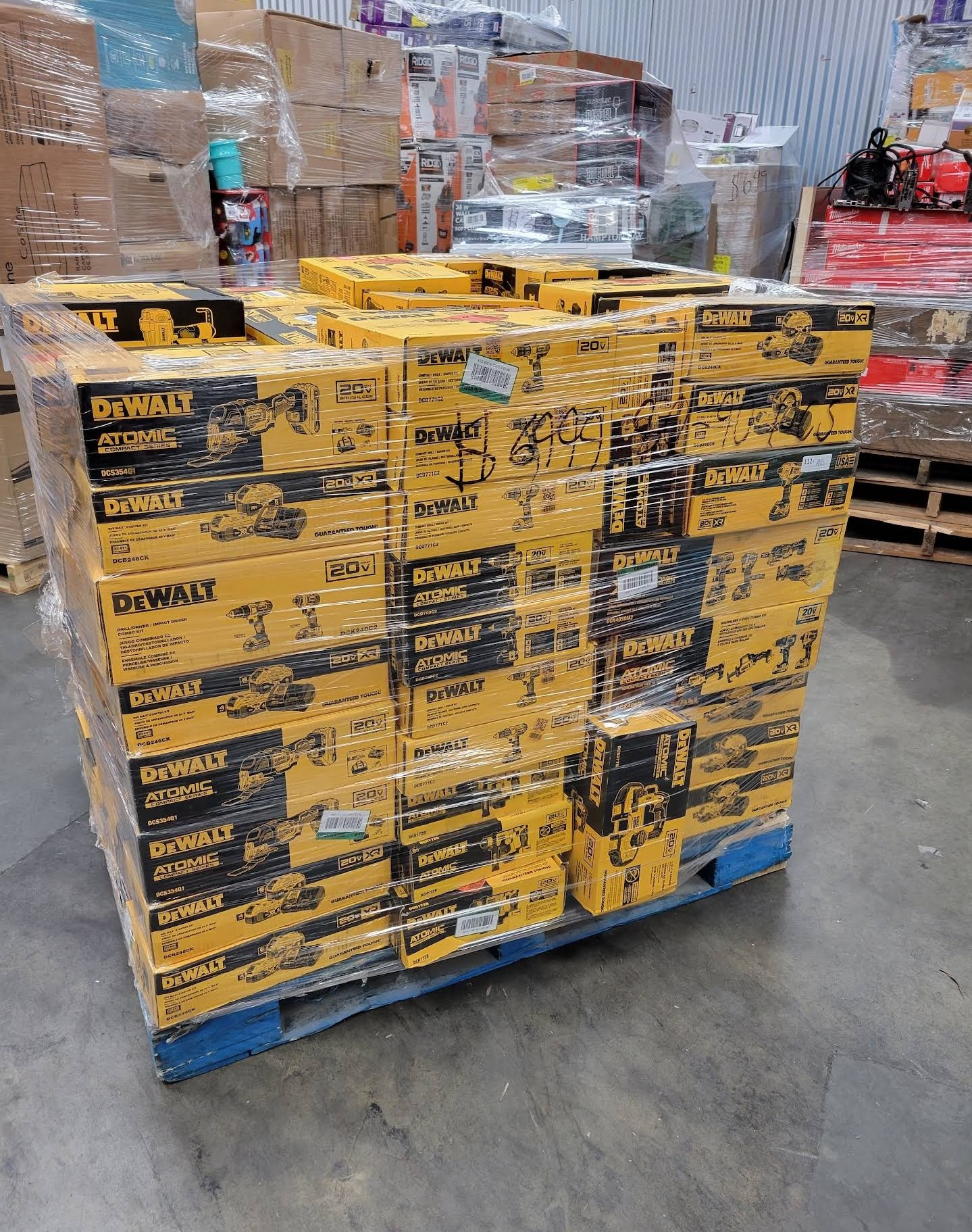
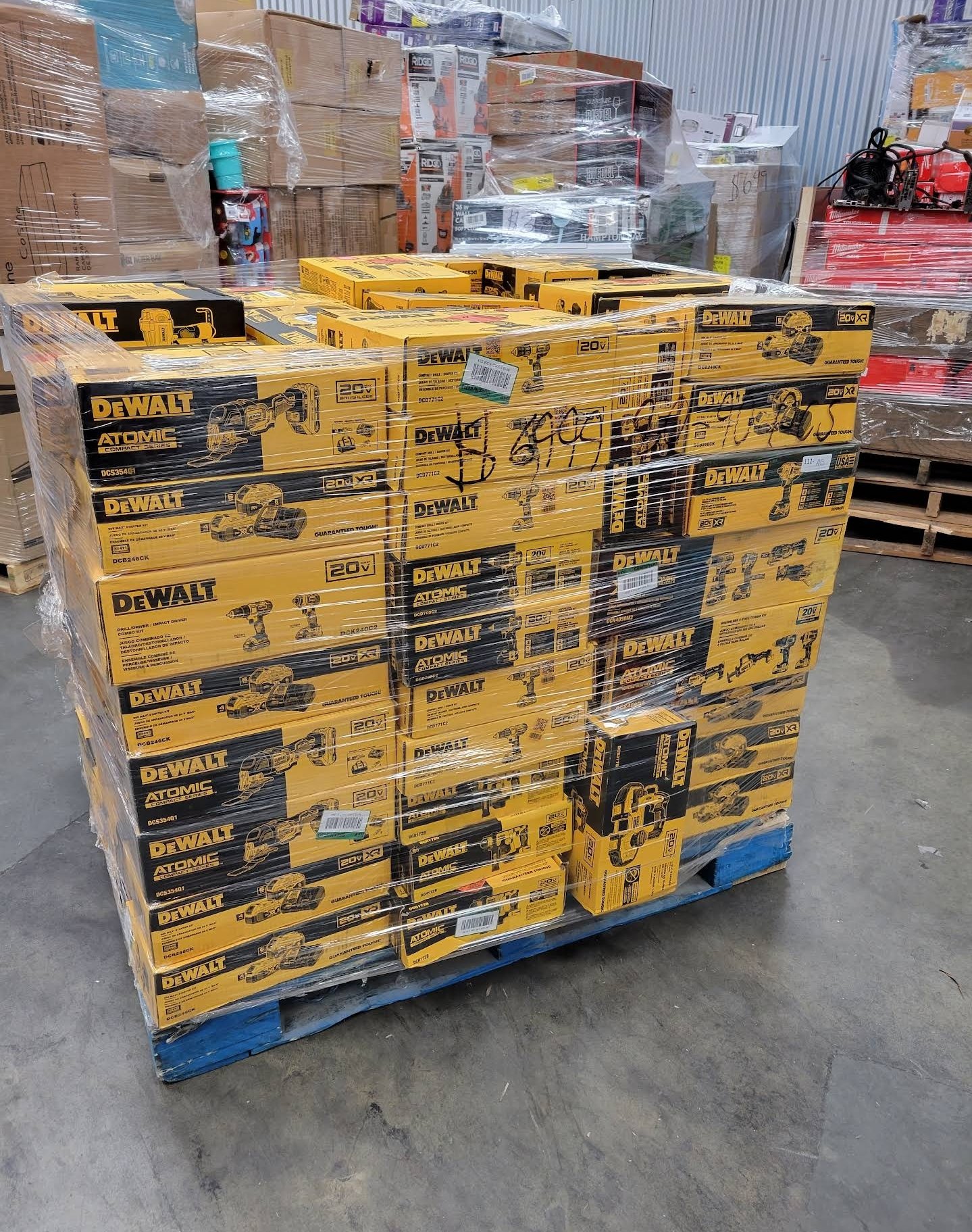
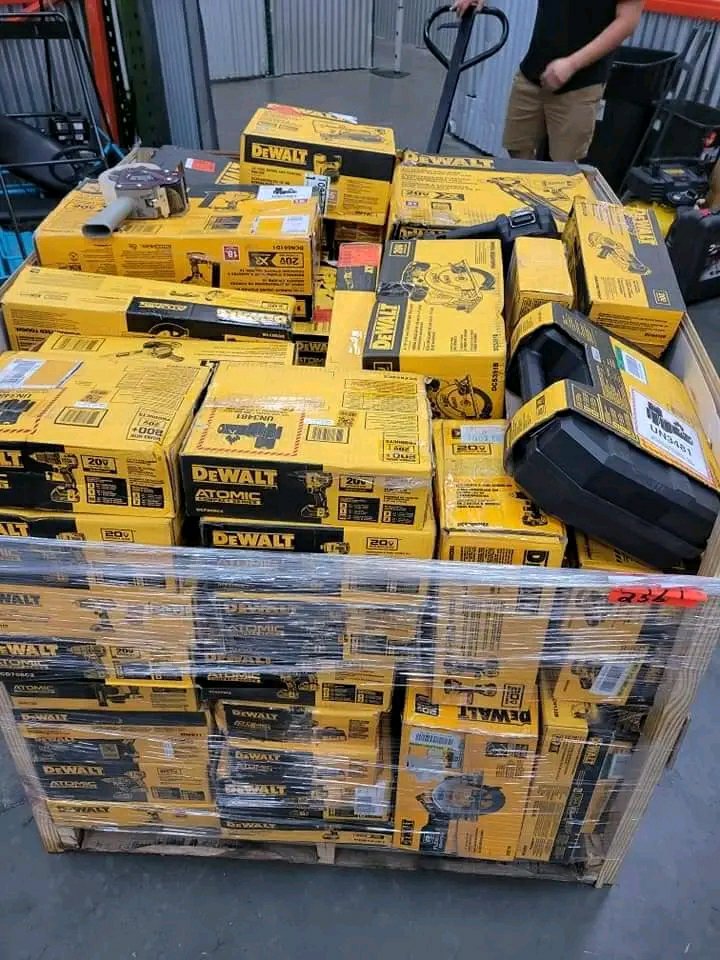
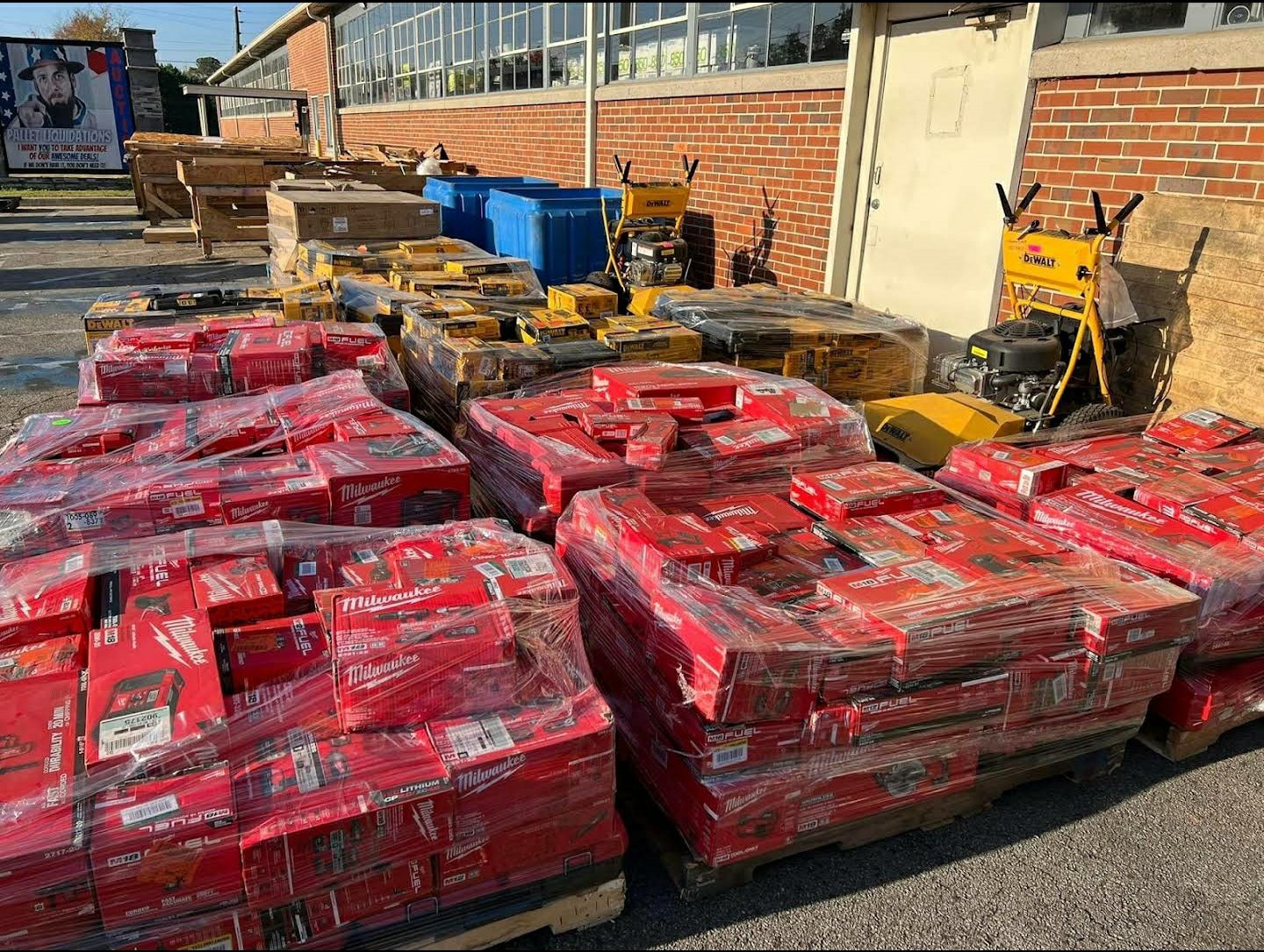
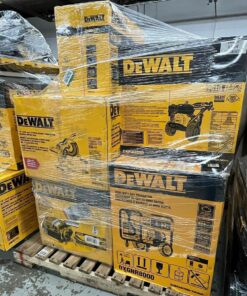
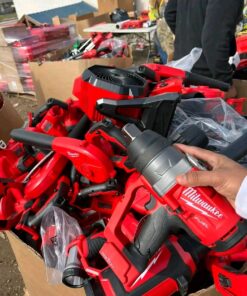
Buy Tool Pallet Liquidation
$1,600.00 Original price was: $1,600.00.$1,000.00Current price is: $1,000.00.
Buy Tool Pallet Liquidation
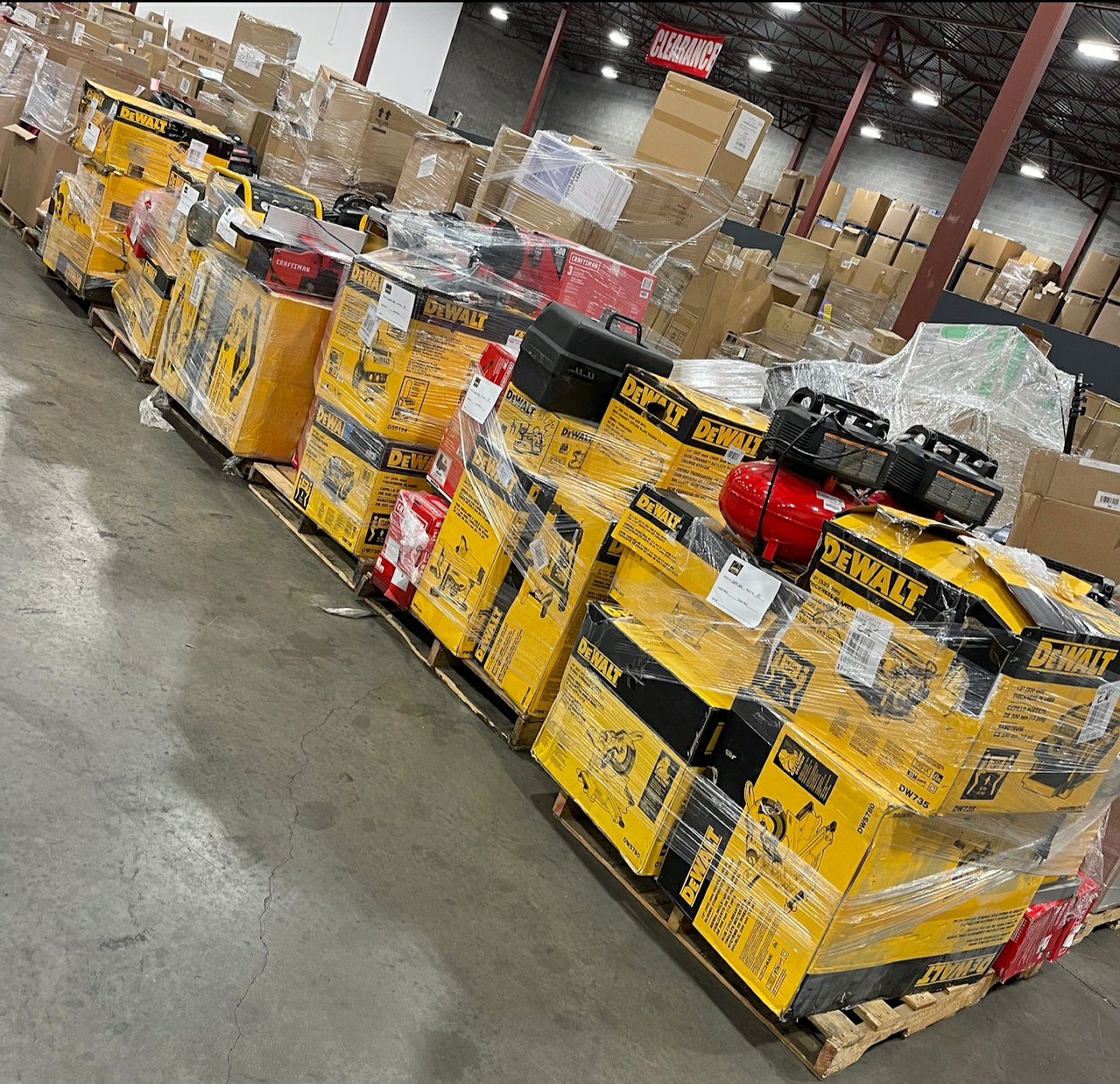
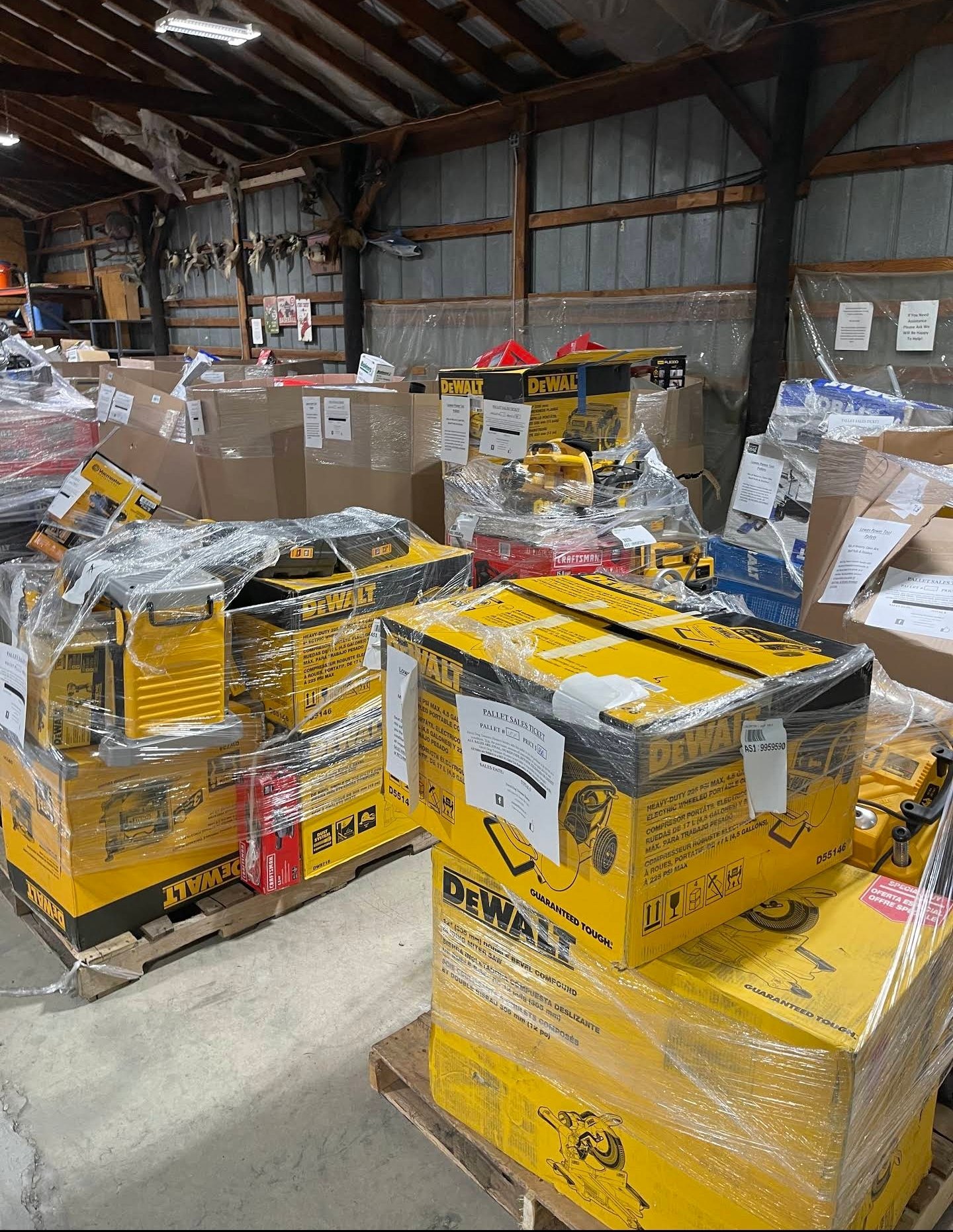
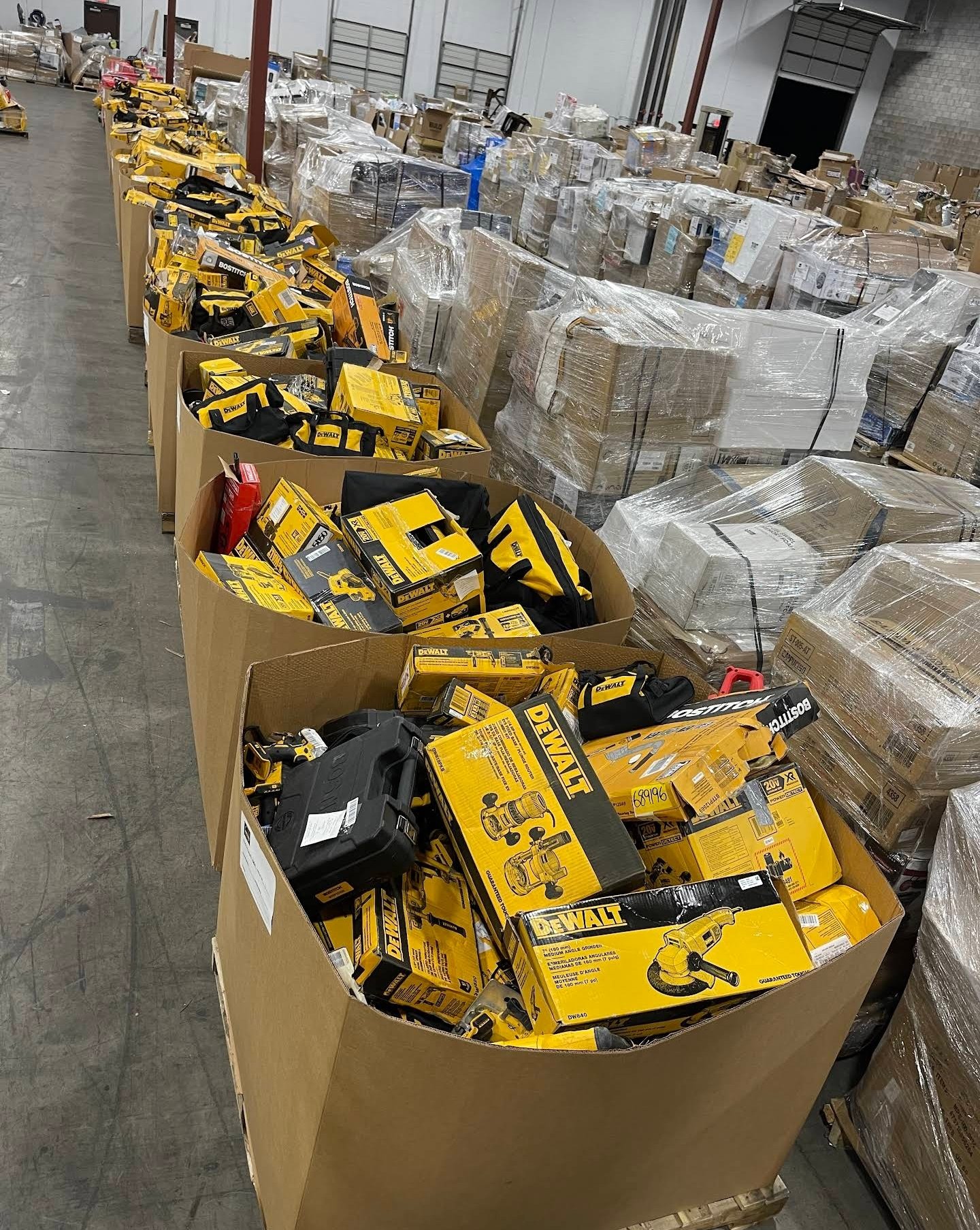
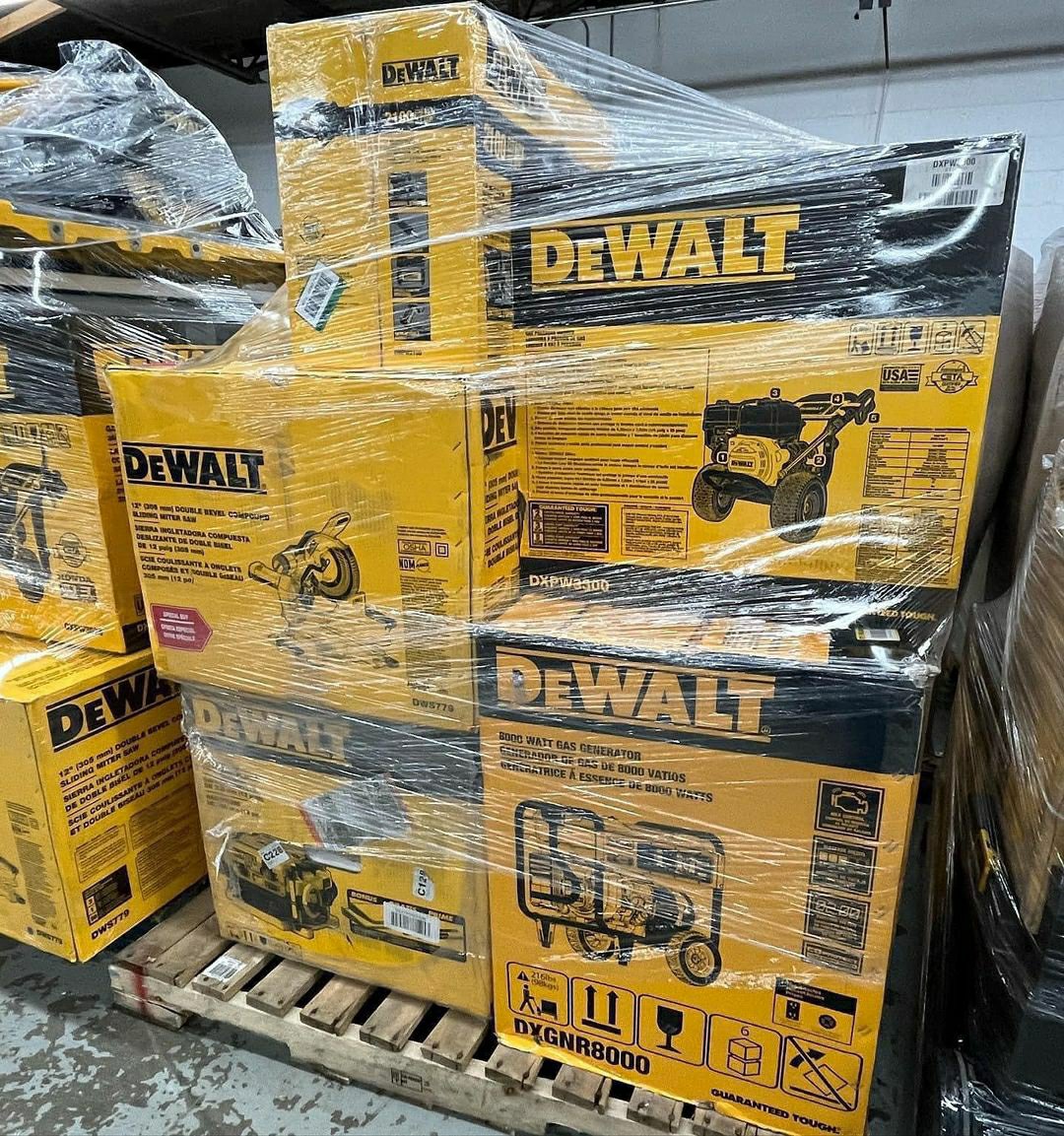
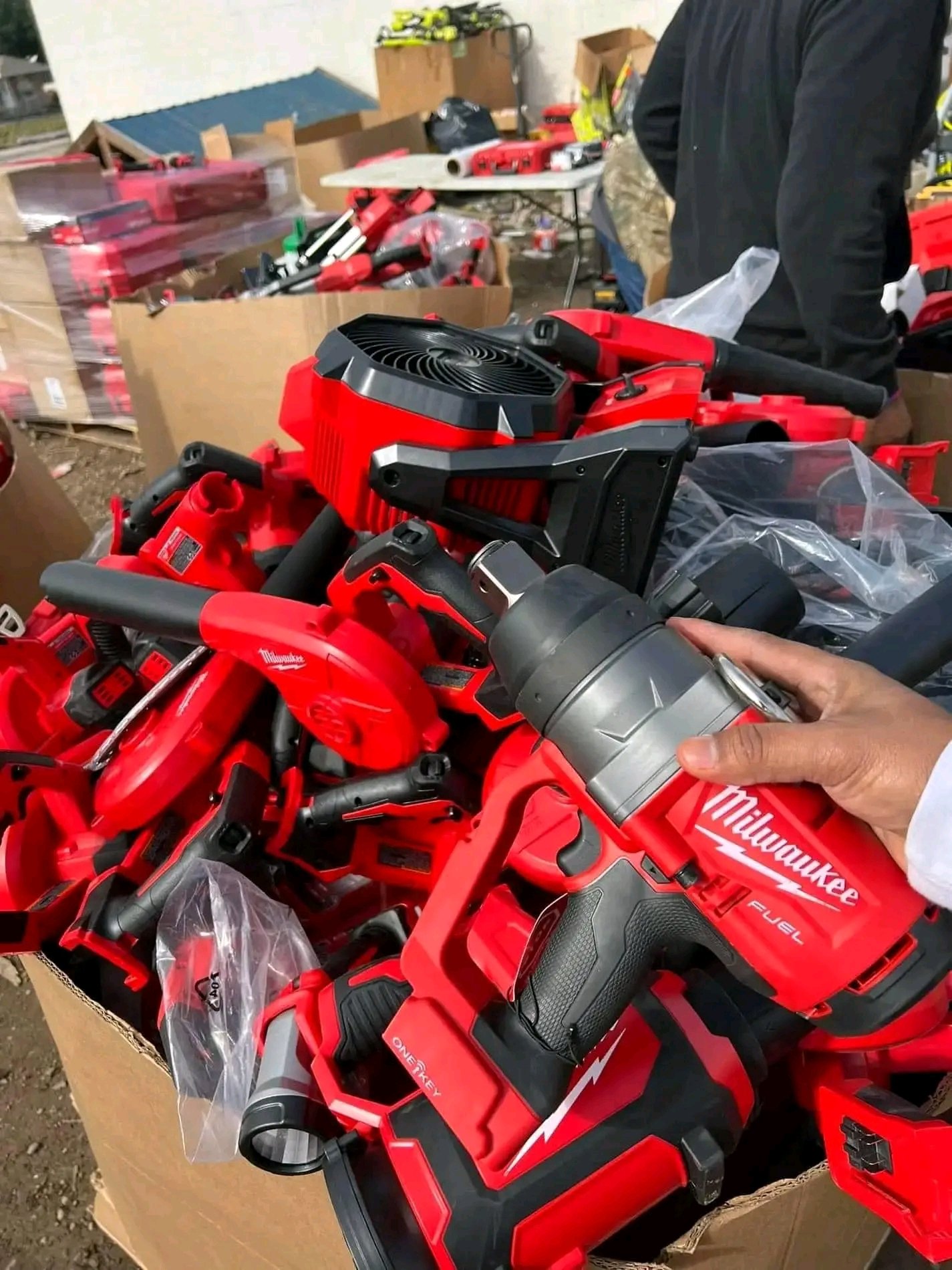
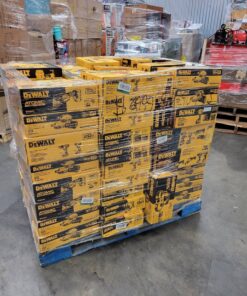
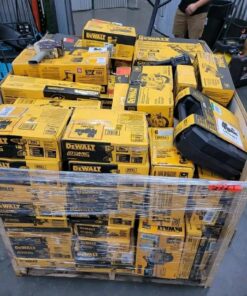
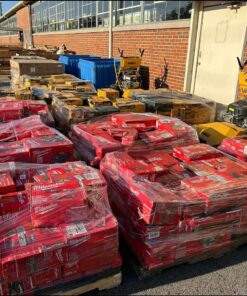
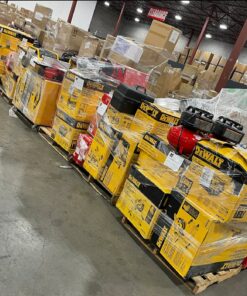
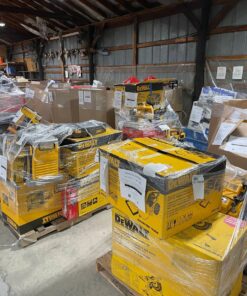
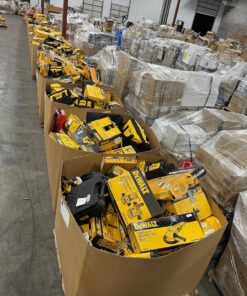
Get access to affordable bulk inventory with our tool pallet liquidation deals, featuring a mixed selection of power tools, hand tools, and hardware sourced from overstock, shelf pulls, and customer returns. These liquidation pallets are perfect for resellers, contractors, and small business owners looking to buy quality tools at below-retail prices.
Each pallet includes a variety of usable items in mixed condition (new, open-box, and light returns), offering strong potential for resale or personal use. With high-demand products and competitive pricing, these wholesale pallets are ideal for anyone searching for cheap pallets for resale.
Limited stock available secure your tool pallet liquidation pallet today and start building your inventory the smart way.
Buy Tool Pallet Liquidation: The Complete Beginner’s Guide to Buying, Reselling, and Reducing Risk
Introduction
If you’re exploring ways to start or grow a resale business, tool pallet liquidation is one of the most practical and scalable options available. Tools are always in demand, easy to understand, and relatively simple to resell compared to mixed general merchandise.
But here’s the truth: not every pallet is a jackpot. While some loads contain valuable tools, others may include returns, damaged items, or incomplete products. The difference between profit and loss often comes down to how well you understand the process before buying.
This guide will walk you through everything you need to know about tool pallet liquidation, from sourcing and pricing to risks, profit strategies, and how to avoid common mistakes.
Key Takeaways
- Tool pallet liquidation offers bulk tools at discounted prices from returns and overstock
- Local sourcing helps reduce shipping costs and improve margins
- Lower-cost pallets carry higher risk but require less upfront investment
- Tools are easier to resell than many other liquidation categories
- Profit depends on testing, cleaning, and selling strategy
- Verified sellers are safer than unknown sources
- Not all pallets contain high-value tools—expect mixed inventory
- A clear resale plan is essential before buying
What Is Tool Pallet Liquidation?
Tool pallet liquidation refers to bulk sales of tools and hardware from retailers clearing out excess inventory.
Common Sources:
- Customer returns
- Overstock inventory
- Shelf pulls (unsold items)
- Bulk clearance stock
Typical Contents:
- Power tools (drills, saws, grinders)
- Hand tools (wrenches, screwdrivers)
- Accessories (batteries, chargers)
- Hardware supplies
These liquidation pallets are sold at reduced prices, allowing buyers to resell items individually for profit.
Where to Find Tool Pallet Liquidation Deals
Local Sourcing (Best for Beginners)
Searching for “wholesale pallets near me” is one of the most effective ways to start.
Benefits:
- No shipping costs
- Ability to inspect pallets before buying
- Faster inventory turnaround
Common Local Sources:
- Liquidation warehouses
- Bin stores
- Local resellers
Online Sourcing
Online platforms provide access to a wider range of tool pallet liquidation deals.
Pros:
- Larger inventory selection
- Access to Amazon return pallets
- Verified seller ratings
Cons:
- Higher shipping costs
- No physical inspection
Pricing Comparison: Tool Pallet Liquidation
Understanding pricing tiers helps you balance cost and risk.
| Tier | Price Range | Quality | Risk |
|---|---|---|---|
| Low Tier | $200 – $400 | Untested / Mixed | High |
| Mid Tier | $1000 – $1,300 | Semi-tested | Moderate |
| High Tier | $1,600 – $3,500+ | Tested / Manifested | Lower |
Key Insight:
Higher-priced pallets usually provide better quality and more predictable inventory.
Risk Analysis: What You Need to Know
Buying liquidation pallets always involves uncertainty.
Common Risks:
- 30%–50% of items may be unsellable
- Missing parts or damaged tools
- No manifest (unknown contents)
- Mixed brands and conditions
How to Reduce Risk:
- Start with smaller pallets
- Buy from trusted sellers
- Inspect pallets locally when possible
- Avoid deals that seem unrealistic
Profit Potential of Tool Pallet Liquidation
Tools are one of the best categories for resale due to consistent demand.
Why Tools Sell Well:
- Practical everyday use
- Easy to test and repair
- Strong demand both online and offline
Example Scenario:
- Pallet cost: $800
- Total items: 60 tools
- Cost per item: ~$13
If tools sell for $25–$50, there is room for profit—even after losses.
Important:
Profit depends on:
- Product condition
- Your pricing strategy
- Selling platform
Common Misconceptions
“All pallets contain premium tools”
False. Most pallets contain a mix of low, mid, and occasional high-value items.
“Amazon return pallets are always high quality”
Not true. Many are untested and sold as-is.
“You’ll make money quickly”
Reselling requires time, effort, and consistency.
“Everything will work perfectly”
Some items may need repair or may not be sellable.
Best Buyers for Tool Pallet Liquidation
| Buyer Type | Goal | Strategy |
|---|---|---|
| Resellers | Profit | Sell individually online |
| Contractors | Cost savings | Keep usable tools |
| Flea Market Sellers | Fast cash | Sell in bundles |
| Side Hustlers | Extra income | Start small and scale |
Best Selling Platforms
| Platform | Best Use |
|---|---|
| eBay | Individual tool sales |
| Facebook Marketplace | Local selling |
| Flea Markets | Quick turnover |
| Retail Shops | Bulk selling |
How the Buying Process Works
- Find a supplier (local or online)
- Choose a pallet based on your budget
- Arrange pickup or shipping
- Receive and inspect inventory
- Sort and test items
- Clean and list for resale
Time Investment:
Expect 5–10 hours per pallet for sorting and preparation.
Tips to Maximize Profit
- Test all tools before selling
- Clean items to improve value
- Bundle low-value items together
- Focus on high-demand products
- Use multiple selling platforms
- Track costs and profit margins
Scam Prevention Tips
The liquidation industry includes both legitimate sellers and scams.
Warning Signs:
- Prices that seem too good to be true
- No real photos of inventory
- No contact details
- Payment methods like crypto only
Safe Buying Tips:
- Use verified marketplaces
- Read reviews carefully
- Ask questions before buying
- Avoid rushing into deals
Product Category Comparison
| Category | Demand | Profit Potential | Risk |
|---|---|---|---|
| Power Tools | High | Medium–High | Medium |
| Hand Tools | Very High | Medium | Low |
| Accessories | High | Low–Medium | Low |
| Salvage Tools | Low | Unpredictable | High |
Who SHOULD and SHOULD NOT Buy
Ideal Buyers:
- Beginners learning reselling
- Small business owners
- Side hustlers
- Tool-focused resellers
Not Ideal For:
- People expecting guaranteed profits
- Buyers unwilling to test items
- High-end brand sellers
Frequently Asked Questions (FAQs)
Are tool pallet liquidation deals worth it?
Yes, if you understand the risks and have a clear resale strategy.
Can beginners start with these pallets?
Yes. Start small and learn the process.
Are items tested?
Usually not. Most are sold as-is.
Where can I sell the tools?
Online marketplaces, local platforms, or physical stores.
How much can I earn?
It varies depending on effort, inventory quality, and sales strategy.
Final Thoughts: Is Tool Pallet Liquidation Right for You?
Tool pallet liquidation offers real opportunity—but only if approached with the right mindset.
It’s a good fit for:
- People willing to learn
- Sellers ready to invest time
- Buyers looking for scalable inventory
It’s not ideal for:
- Those expecting instant results
- Buyers unwilling to handle mixed-quality goods
Start Smart and Build Your Inventory
If you’re ready to explore cheap pallets for resale, now is the perfect time to start. With the right approach, tool pallet liquidation can help you build inventory, gain experience, and grow a sustainable resale business.
Take the next step—explore available pallets, compare options, and begin sourcing smarter today.
Reviews
There are no reviews yet.