
Buy Electronic Liquidation Pallets: A Smart Buyer’s Guide for Beginners and Resellers
Introduction
If you’ve ever thought about reselling electronics for profit, electronic liquidation pallets might look like a fast-track opportunity. Bulk inventory, discounted prices, and the possibility of high-demand items like laptops, phones, and accessories—it’s easy to see the appeal.
But here’s the reality: not every pallet is packed with valuable electronics. Many include returns, damaged items, or low-value accessories. The opportunity is real, but so is the risk.
This guide will walk you through everything you need to know about buying and reselling electronic liquidation pallets—from sourcing and pricing to risks and smart strategies—so you can make informed decisions and avoid costly mistakes.
Key Takeaways
- Electronic liquidation pallets offer bulk electronics at discounted prices
- Inventory often includes returns, overstock, and untested items
- Local sourcing helps reduce shipping costs and risk
- Profit depends on testing, sorting, and resale strategy
- Not all pallets contain high-value electronics
- Beginners should start small and scale gradually
- Verified sellers reduce the risk of scams
- Success requires time, effort, and realistic expectations
What Are Electronic Liquidation Pallets?
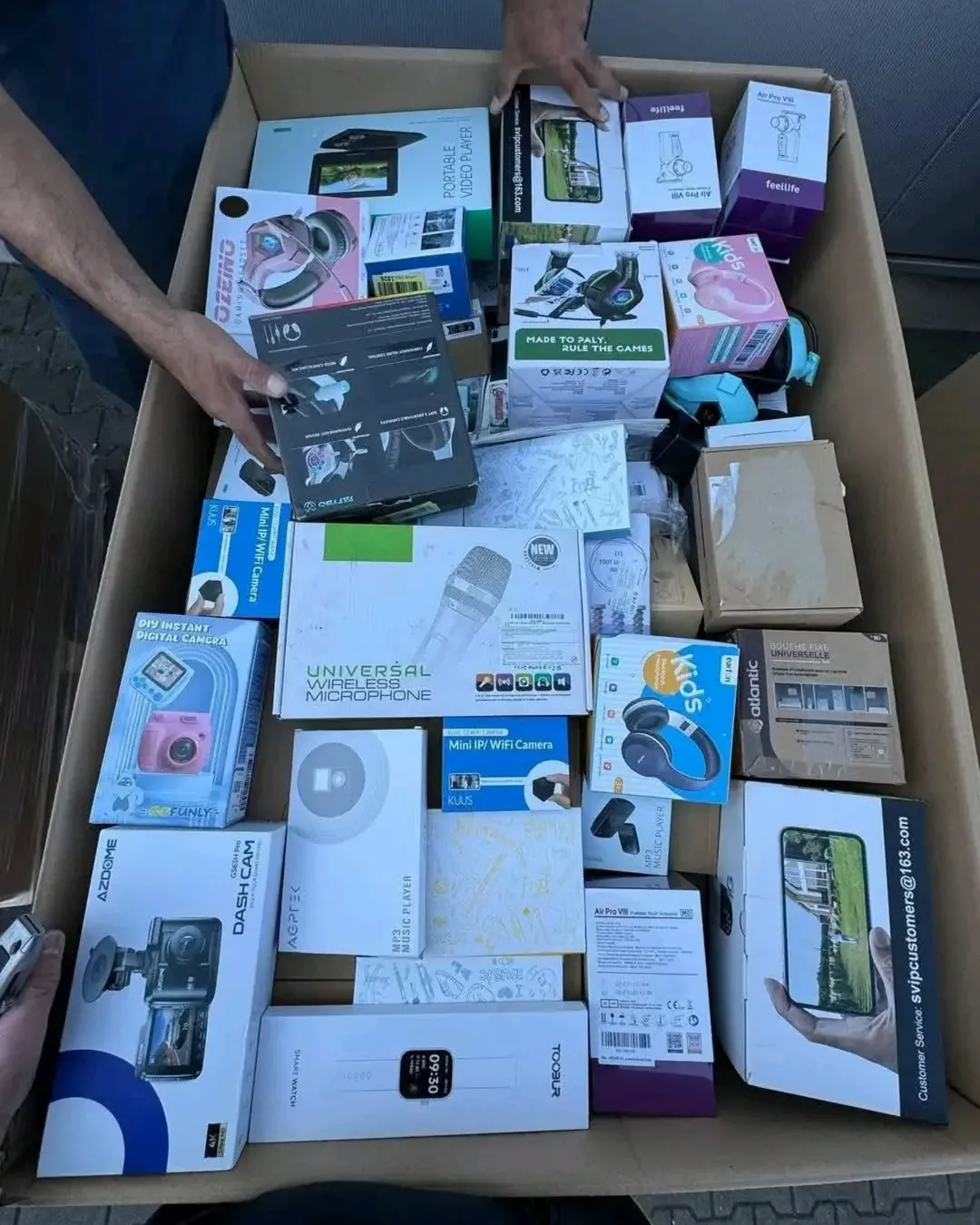
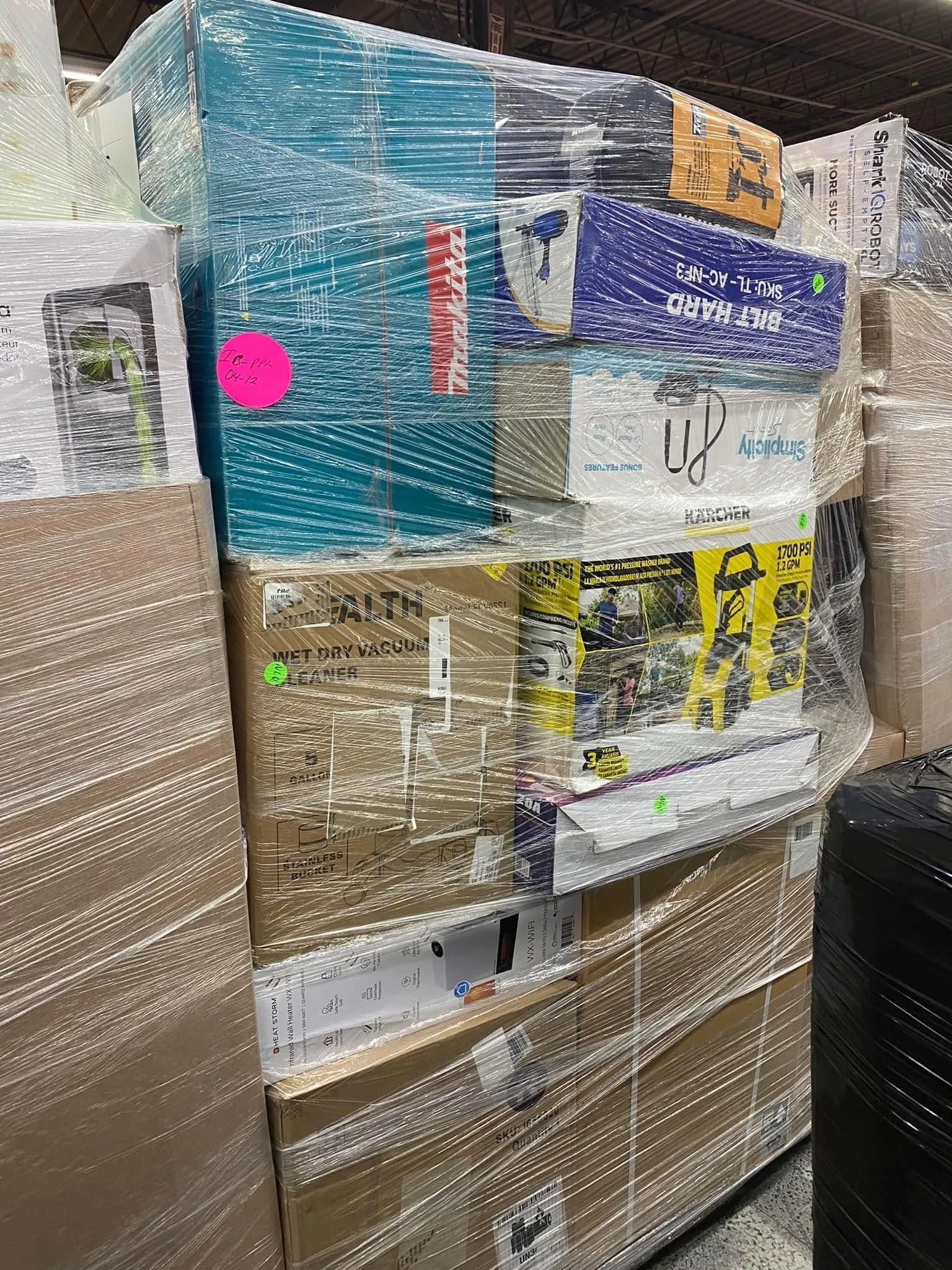
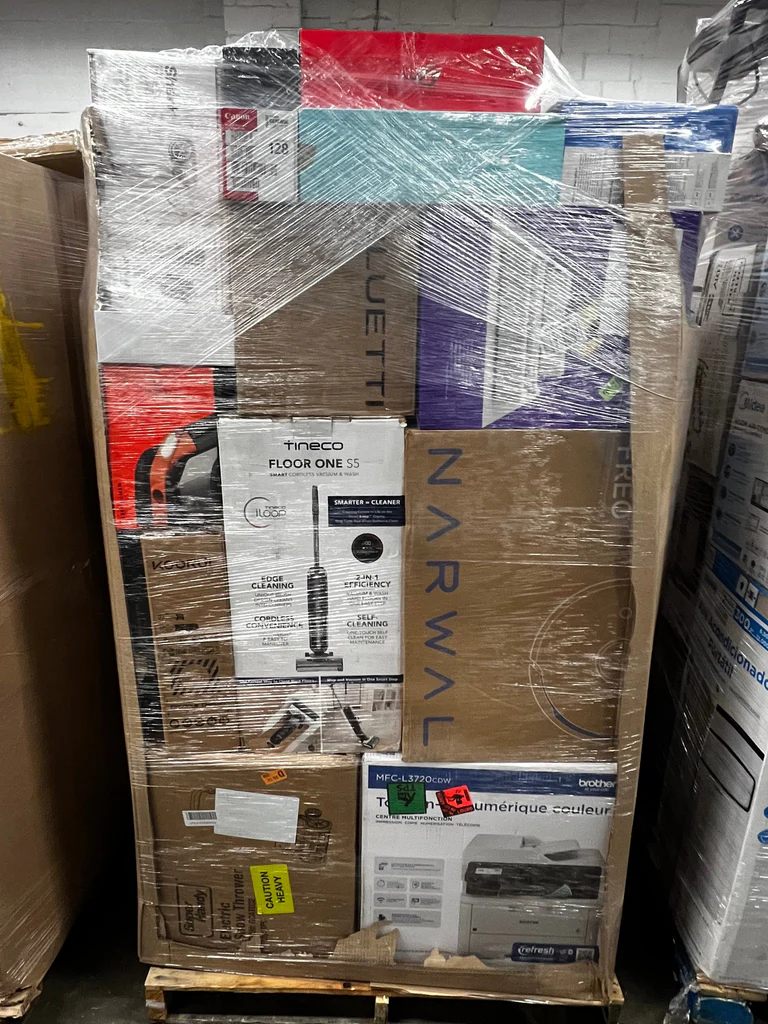
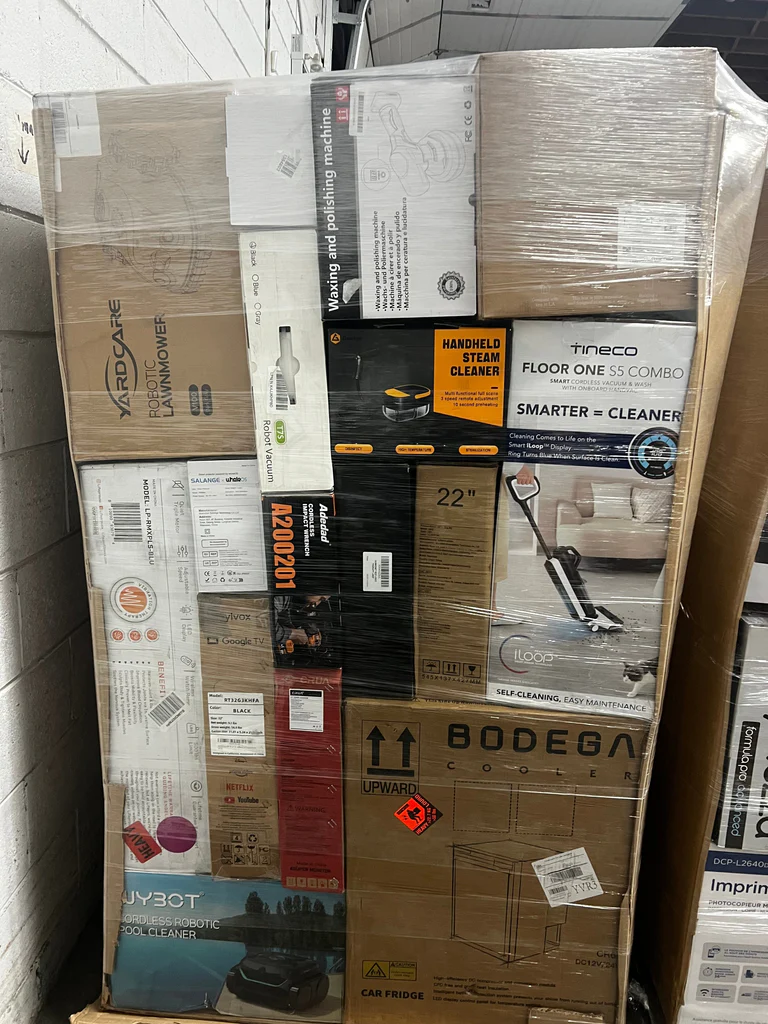
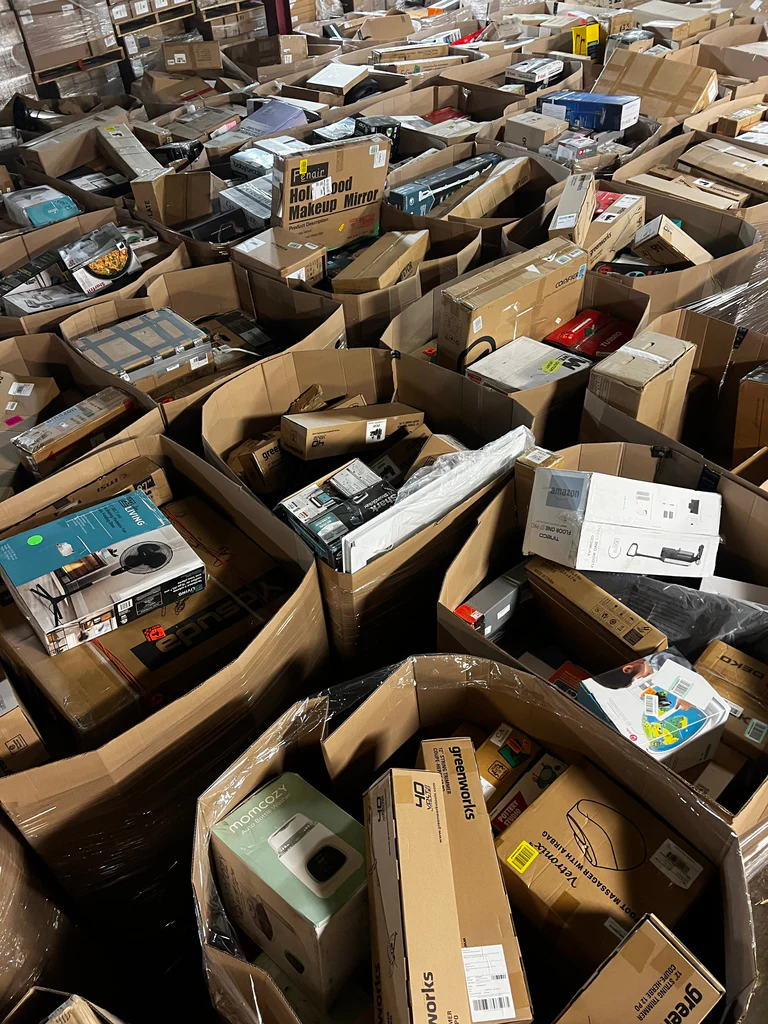
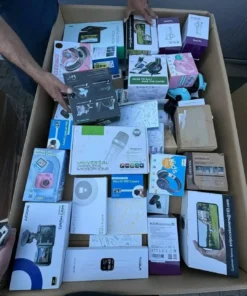
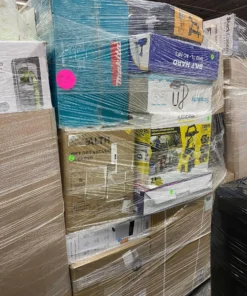
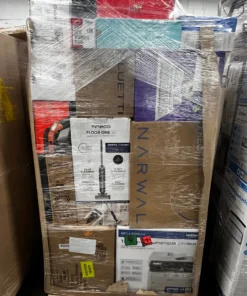
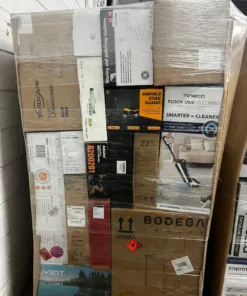
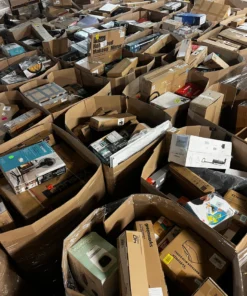
Electronic liquidation pallets are bulk lots of electronic items sold at reduced prices. These pallets usually come from:
- Retail overstock
- Customer returns
- Shelf pulls
- Warehouse clearance
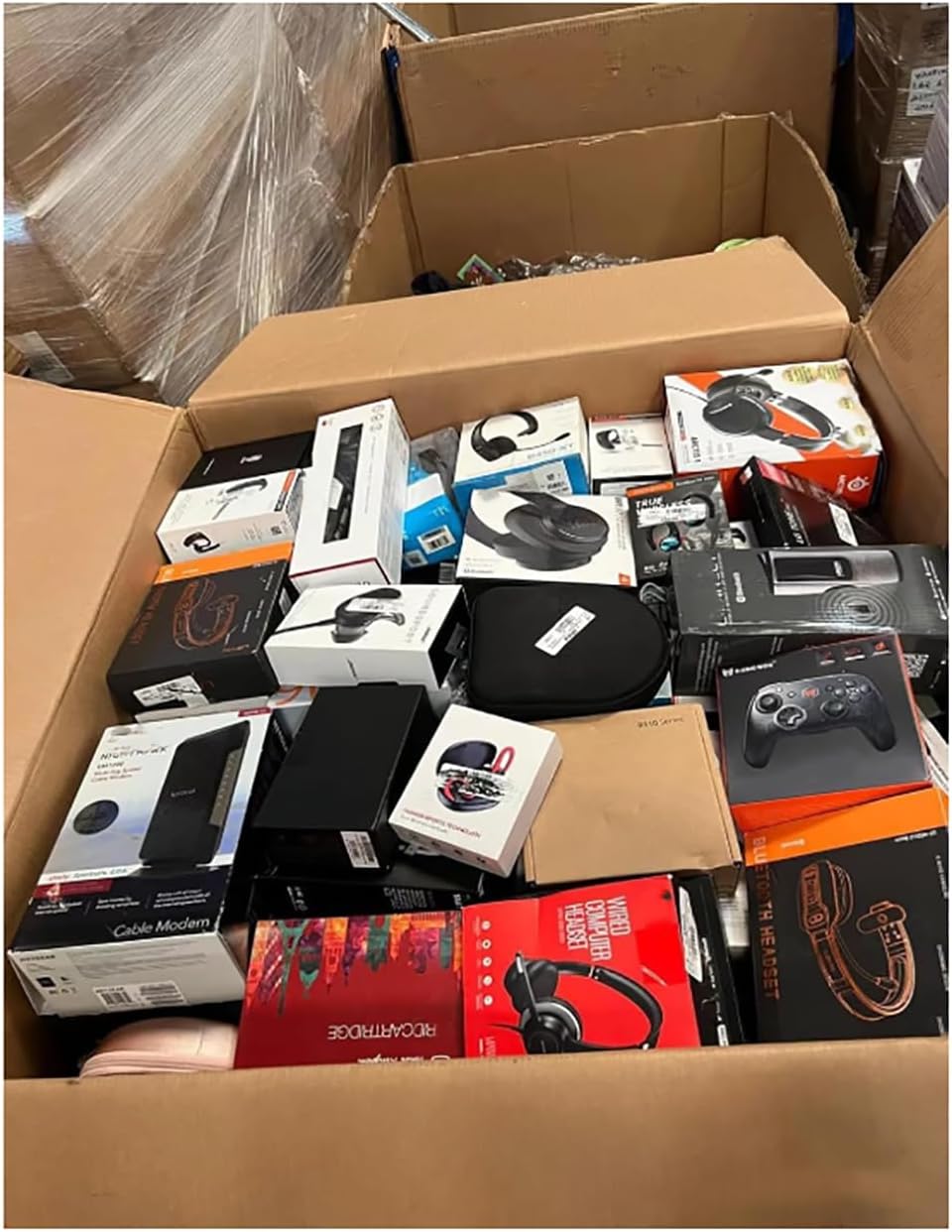
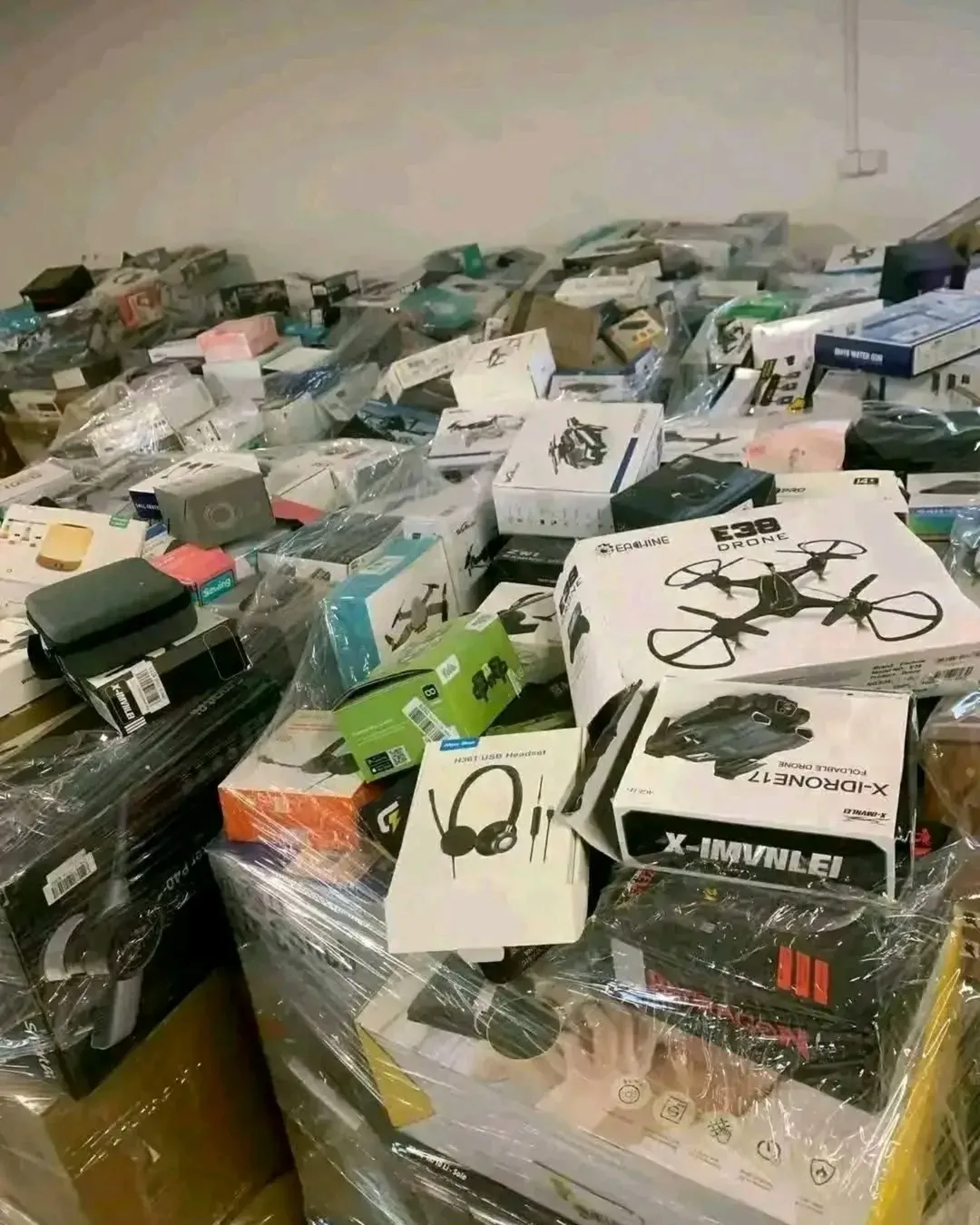
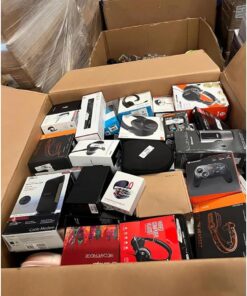
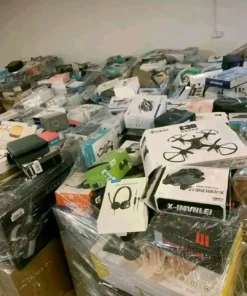
Common Items Found
- Smartphones and accessories
- Laptops and tablets
- Headphones and speakers
- Chargers, cables, and small gadgets
- Gaming accessories
Unlike regular retail purchases, these pallets are sold “as-is,” meaning quality can vary widely.
Where to Find Electronic Liquidation Pallets
Local Sourcing (Best for Beginners)
Searching for wholesale pallets near me is one of the smartest ways to start.
Benefits:
- No shipping costs
- Ability to inspect before buying
- Faster turnaround
Places to check:
- Local liquidation warehouses
- Bin stores
- Wholesale distributors
Online Sourcing
If local options are limited, online platforms offer broader access:
- Liquidation marketplaces
- Auction sites
- Bulk inventory suppliers
This is similar to buying Amazon return pallets, where you rely on descriptions rather than physical inspection.
Pricing Comparison: Low vs Mid vs High Tier
| Tier | Price Range | Condition | What You Get |
|---|---|---|---|
| Low Tier | $300 – $500 | Untested / Mixed | Accessories, low-value items |
| Mid Tier | $800 – $1,500 | Partially tested | Mix of usable electronics |
| High Tier | $2,000+ | Manifested / Tested | Higher-value devices |
Lower-tier pallets are often marketed as cheap pallets for resale, but they require more work.
Types of Electronic Products in Pallets
| Category | Examples | Resale Difficulty |
|---|---|---|
| Mobile Devices | Phones, tablets | Medium–High |
| Accessories | Chargers, cables | Easy |
| Audio | Headphones, speakers | Medium |
| Computers | Laptops, monitors | High |
| Gaming | Controllers, consoles | Medium |
Risk Analysis: What You Need to Know
Buying electronic liquidation pallets comes with real risks.
Common Issues
- Non-working devices
- Missing parts or accessories
- Locked or damaged phones
- Outdated or obsolete items
Reality Check
- 30–60% of items may need repair or be unsellable
- Testing electronics takes time and tools
- Returns are often not accepted
Understanding these risks is essential before investing.
Profit Potential: Is It Worth It?
Yes—but only with the right approach.
Example Scenario
- Pallet cost: $1,000
- Items received: 100
- Working items: 60
If you sell working items at $20–$50:
- Revenue: $1,200–$3,000
But keep in mind:
- Some items won’t sell
- Repairs may be needed
- Time investment is significant
Common Misconceptions
“Every pallet has expensive electronics”
Most pallets contain a mix of low and mid-value items.
“Everything works”
Many items are untested or defective.
“Quick profit is guaranteed”
Success depends on effort, not luck.
Best Target Buyers
| Buyer Type | Goal | Best Platform |
|---|---|---|
| Flea Market Sellers | Quick sales | Local markets |
| Online Resellers | Higher margins | eBay, Facebook |
| Repair Technicians | Fix & resell | Direct sales |
| Side Hustlers | Extra income | Mixed channels |
How the Buying Process Works
- Choose a pallet based on budget and category
- Review details (condition, manifest if available)
- Calculate total cost (including shipping)
- Place order or arrange pickup
- Receive and inspect items
- Test and sort products
- List items for resale
Expect several hours—or days—of work per pallet.
Tips to Maximize Profit
- Start with small, manageable pallets
- Focus on one category (e.g., accessories first)
- Test items quickly to identify value
- Bundle low-value items for faster sales
- Use multiple selling platforms
- Keep track of costs and profits
Efficiency is key when dealing with liquidation pallets.
Safe Buying Practices
- Buy from verified sellers
- Request detailed descriptions or videos
- Check reviews and ratings
- Avoid risky payment methods
Real-World Example
A beginner buys a $500 pallet of mixed electronics:
- Finds mostly cables and accessories
- Only a few working devices
They bundle accessories and sell them in packs:
- Recover initial cost
- Learn product value
- Improve future buying decisions
This shows that learning is part of the process.
Who Should and Should NOT Buy
Ideal Buyers
- Resellers willing to test and sort items
- People with basic technical knowledge
- Sellers with time and storage space
Not Ideal For
- Buyers expecting guaranteed profit
- Those with no time for testing
- High-end-only resellers
Frequently Asked Questions (FAQs)
Are electronic liquidation pallets worth it?
Yes, but only if you understand the risks and have a resale strategy.
Can I get high-end electronics?
Sometimes, but it’s not guaranteed.
What is the best platform to sell?
- Online: eBay, Facebook Marketplace
- Offline: flea markets, local shops
Are Amazon return pallets better?
Amazon return pallets can include electronics, but quality varies widely.
How much should I start with?
Start with $200–$1,000 depending on your risk tolerance.
Conclusion: Should You Buy Electronic Liquidation Pallets?
Electronic liquidation pallets offer real opportunities—but only for buyers who approach them strategically.
They provide:
- Affordable bulk inventory
- Access to high-demand products
- Flexible resale options
But they also require:
- Time
- Effort
- Smart decision-making
If you’re ready to learn, test, and improve, this market can help you grow a profitable resale business.
Start small, stay realistic, and focus on consistency over quick wins.
Explore available electronic liquidation pallets today and take your first step into the resale business with confidence.


Reviews
There are no reviews yet.